— Who WE are?
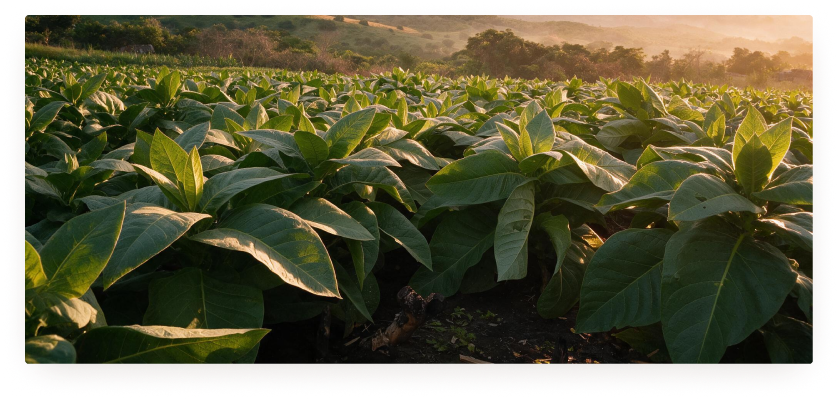
More than 150 years of tobacco culture preserved by small producers who cultivate a leaf with a unique identity for international markets .
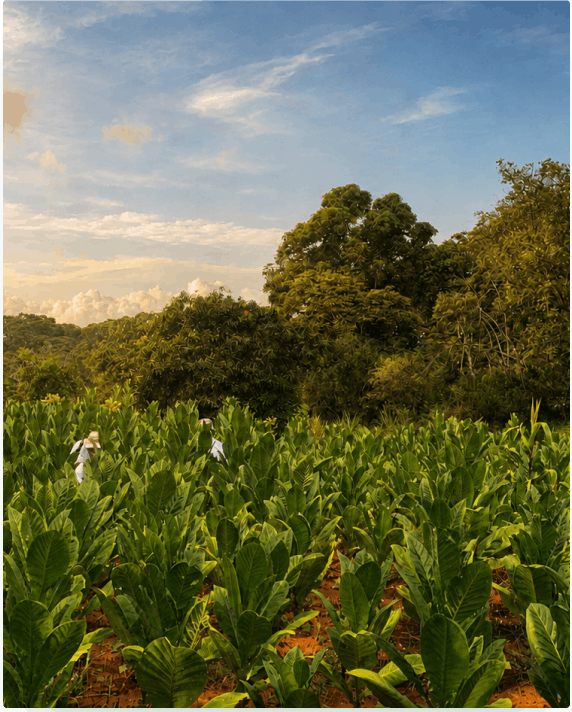
Promoters of the development of tobacco cultivationin the Montes de María.
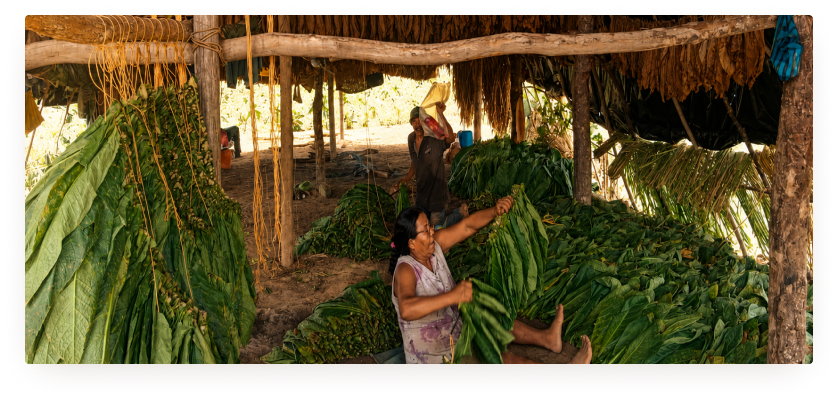
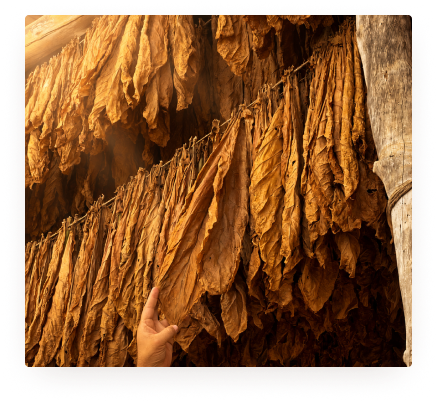
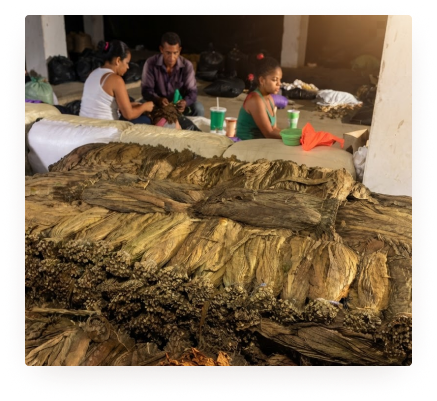
KANTAWA supports and strengthens the work of farming families in the planting, harvesting, and curing of tobacco leaves,
guaranteeing quality, sustainability, and responsible processes that connect Colombian agriculture with international markets.
Tradition
More than 150 years of tobacco culture in Montes de María
Export
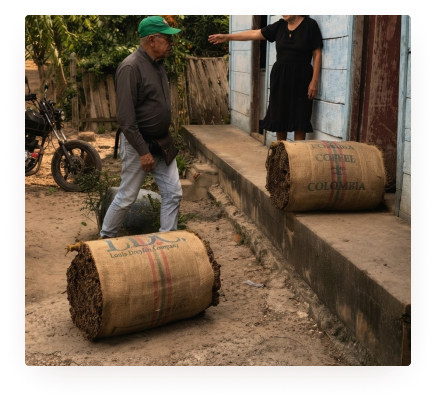
Selected Black and Burley type leaves for international markets
contracting
Direct contract with the producing families
Tobacco heritage
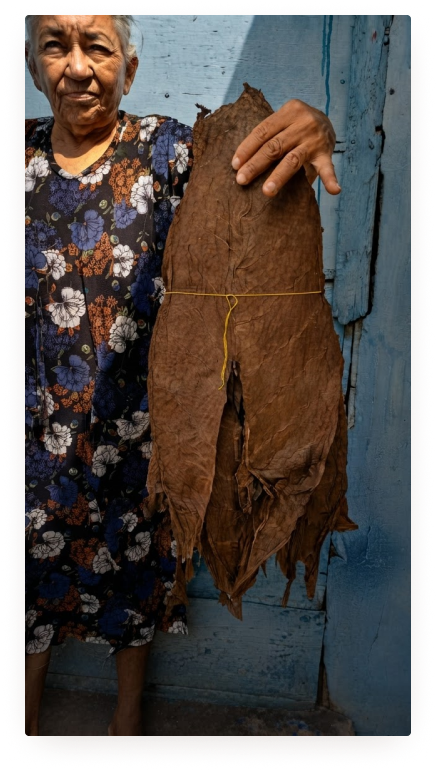
In Colombia, tobacco production for commercial purposes and consumption dates back to the colonial era, when in 1776 the Spanish Viceroyalty established a monopoly on this crop in its provinces. Later, in 1833 , during the republican era, the first exports to Europe took place. Within Colombian territory, the Montes de María region stands out for the quality and renown of its Cubita-type dark tobacco. This crop began around 1870 with varieties brought from Cuba and successfully adapted to the departments of Bolívar, Sucre, and Magdalena. Since then, generations of farmers have kept this legacy alive through family-run, small-scale production that preserves traditional techniques.
Our Commitment
Preserving an identity that the world recognizes.
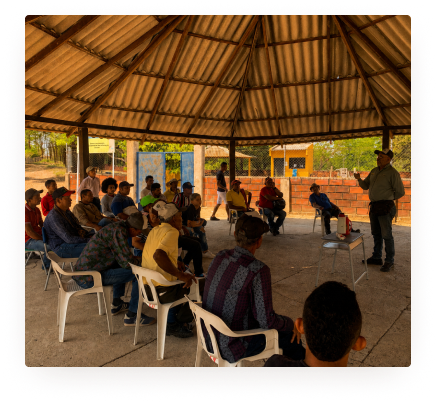
The region's main driving force is its farmers, who for generations have maintained tobacco cultivation as the foundation of their family, social, and regional economies.
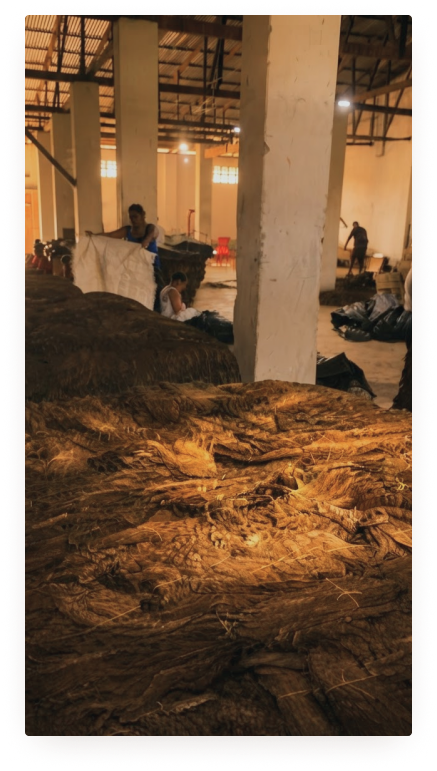
It is a source of employment and resources, being a highly labor-intensive activity from seedbed to final product: the cigar.

— Territory
Montes de Maria is a privileged agroecological zone for the para la production of tobacco crops.
Montes de María is a region located in northern Colombia , between the departments of Bolívar and Sucre, covering approximately 629,000 hectares. Its agroecological conditions, typical of tropical dry forest, offer temperatures between 24 and 34 °C, rainfall close to 1,500 mm, and relative humidity between 75% and 85%. Its fertile, well-drained alluvial soils allow the Cubita tobacco variety to develop exceptional body, aroma, and quality, even reducing the need for inorganic fertilizers.
Northern Colombia, between Bolívar and Sucre — 629,000 hectares.
Loamy lands rich in organic matter and with good drainage.
26–30 °C, 1,500 mm of rain and 75–85% relative humidity.
High natural fertility typical of the mountain range, which does not need inorganic fertilization.
Generations of families that sustain the tobacco economy.
Source of employment by working directly with small farmers.
— Gallery
The work of those who cultivate the land.